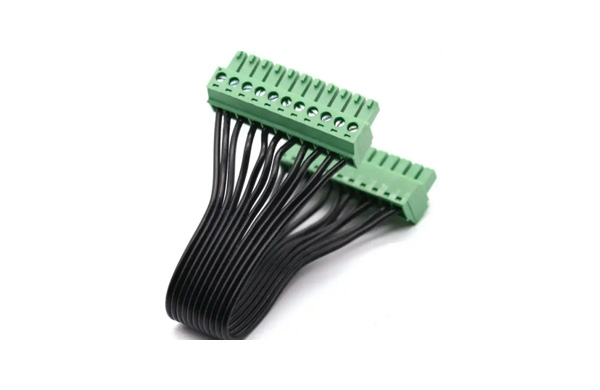



The development trend of automotive electronic wiring harness
 Release time:2026-10-08
 Number of views:20


Release time:2026-10-08
Number of views:20
The automotive industry is undergoing electrification and intelligent transformation, and automotive electronic wiring harnesses are also evolving accordingly. In terms of electrification, the high-voltage system of new energy vehicles places higher demands on the voltage resistance, temperature resistance, and high current transmission capability of electronic wiring harnesses. High voltage wiring harnesses must have excellent insulation performance and shielding effect to ensure safe and stable power transmission between components such as batteries and motors.
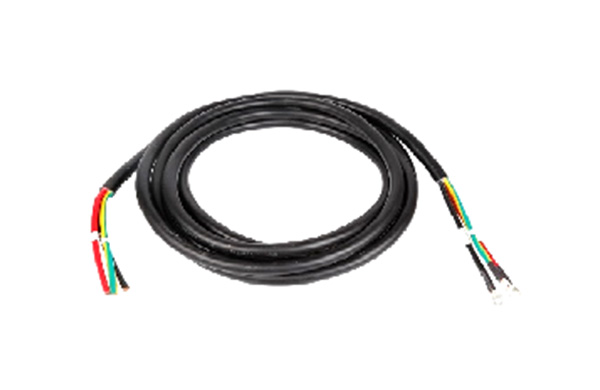
Under the wave of intelligence, the number of autonomous driving sensors and intelligent cockpit devices has increased significantly, leading to a dramatic increase in data transmission volume. High speed electronic wiring harnesses have emerged, which have the characteristics of high speed and low latency, supporting real-time interaction of large amounts of data inside the vehicle.
In the future, lightweighting and integration will be the development direction of automotive electronic wiring harnesses. Through the application of new materials and design optimization, the weight and volume of wiring harnesses will be reduced, and the overall performance of automobiles will be improved.