

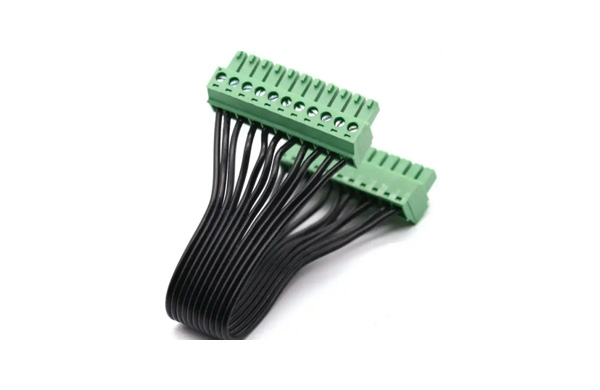
Industrial wire harness processing is very different from ordinary electronic wire harnesses. Industrial wiring harnesses usually have high current and extremely high requirements for wires. When an alternating current passes through a wire, the current will concentrate on the surface of the wire, increasing its resistance and power loss, which is known as the skin effect. The higher the frequency of current or voltage changes, the more significant the skin effect.
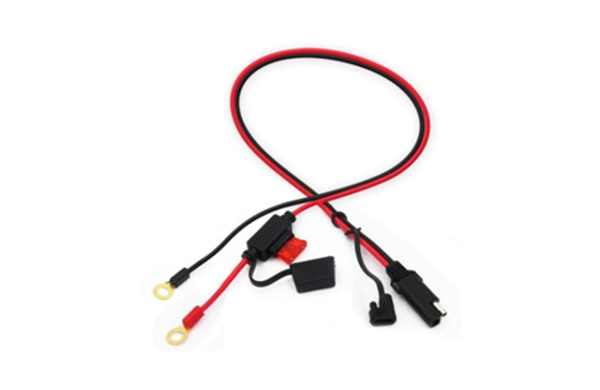
Industrial wire harness processing is very different from ordinary electronic wire harnesses. Industrial wiring harnesses usually have high current and extremely high requirements for wires. When an alternating current passes through a wire, the current will concentrate on the surface of the wire, increasing its resistance and power loss, which is known as the skin effect. The higher the frequency of current or voltage changes, the more significant the skin effect.
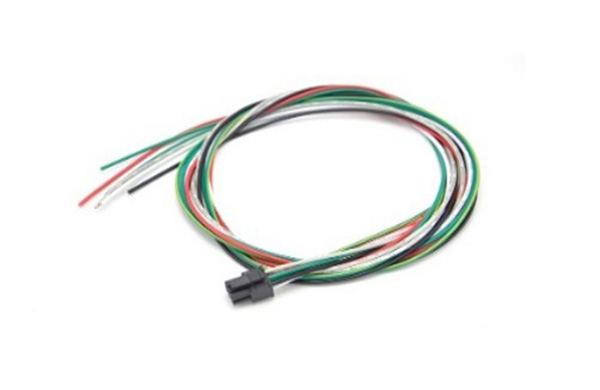
At present, there are three mainstream standards for terminal connection wires in our country: 3C standard, L standard, and VDE standard. The internal conductor of terminal connection wires is usually tinned copper or bare copper.
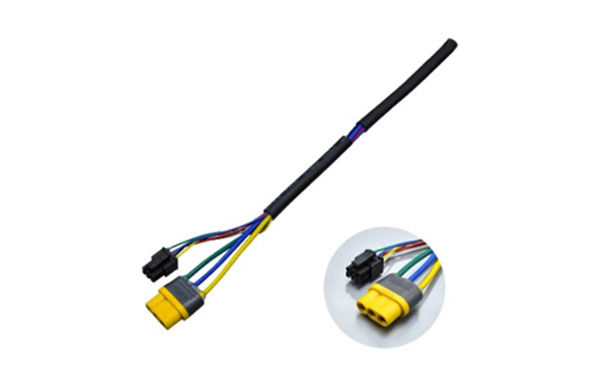
Poor contact in terminal wires is a common fault in electronic devices, which may lead to signal interruption, equipment malfunction, or even safety hazards. Below are six common causes and corresponding solutions:
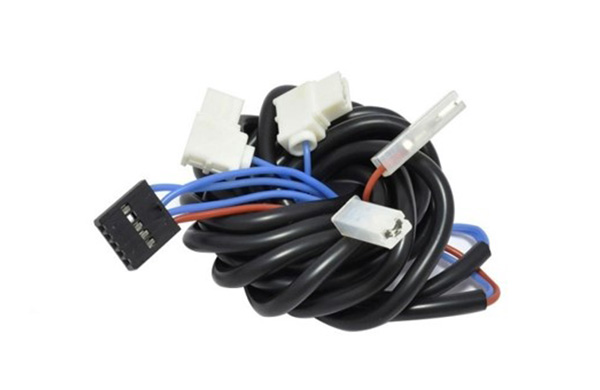
Electronic wiring harnesses are widely used in our daily life and work, from mechanical equipment to electronic components. Without wiring harnesses as carriers, they cannot function properly. The quality of the wiring harness can be seen from its service life.
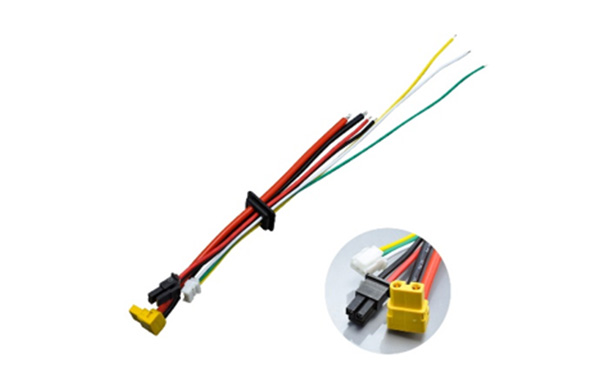
Terminal harness, also known as terminal wire, is actually a type of conductive wire that is used by various electronic engineers for functions such as power conduction and information transmission. With the development of electronic products, there are more and more types of terminal harnesses, and their usage scope is also becoming more and more extensive.